Author
Thermo Fisher Scientific
A unique company dedicated to serving science helping our customers drive productivity and accelerate results. Through our premier brands – Thermo Scientific, Applied Biosystems, Invitrogen, Fisher Scientific and Unity Lab Services.
Tags
Article
Academy
Video
LinkedIn Logo

Internal Standards in ICP-OES: A Practical Guide to Better Accuracy and Precision
Tu, 7.4.2026
| Original article from: Thermo Fisher Scientific / Petra Gerhards
Learn how internal standards improve accuracy and precision in ICP-OES by correcting drift, matrix effects, and sample introduction variability for more reliable analytical results.
Video placeholder
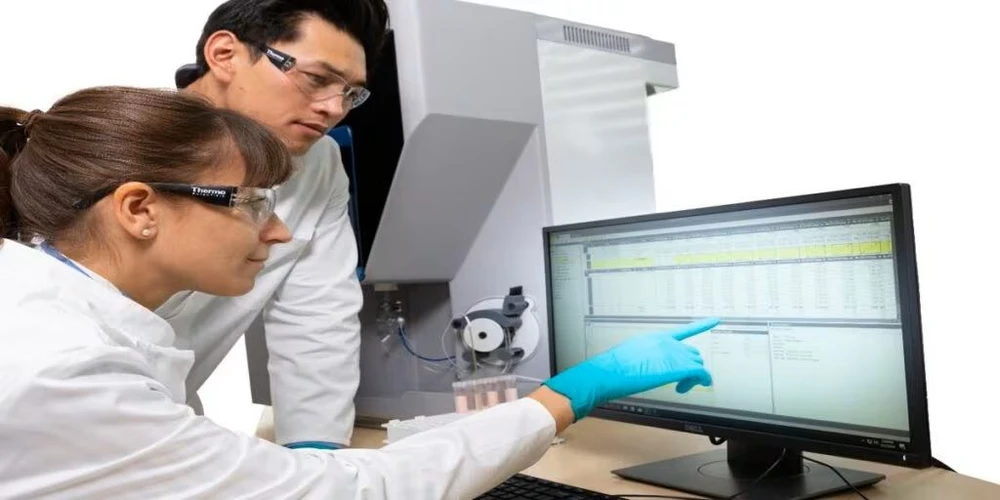
  • Photo: Thermo Fisher Scientific: Internal Standards in ICP-OES: A Practical Guide to Better Accuracy and Precision
  • Video: Thermo Scientific: iCAP PRO Series ICP OES 

In ICP-OES analysis, maintaining reliable accuracy and precision over time can be challenging. Instrument drift, matrix effects, and fluctuations in sample introduction can all influence analytical results. One of the most effective tools to monitor and compensate for these influences is the internal standard (ISTD). When properly selected and implemented, an internal standard significantly strengthens quality assurance and increases confidence in analytical data.
Thermo Fisher Scientific Internal Standards in ICP-OES A Practical Guide to Better Accuracy and PrecisionThermo Fisher Scientific Internal Standards in ICP-OES A Practical Guide to Better Accuracy and Precision

An internal standard is a suitable element that is added at a constant concentration to all blanks, calibration standards, quality control samples, and unknown samples. It is measured simultaneously with the analytes of interest and serves as an indicator of what is happening during the measurement process. Because it behaves similarly to the analytes in the plasma, it reflects variations that occur during sample transport, excitation, or detection.

However, not every element qualifies as a good internal standard. Ideally, the chosen element should not be present in the sample, or only in negligible amounts. It must not cause spectral interferences with the analytes, and its emission line should remain free from interference itself. The internal standard should also be compatible with the sample matrix and exhibit similar excitation and ionization characteristics to the analytes. In practice, the internal standard is typically introduced at a concentration of approximately 1 to 5 ppm at the nebulizer, ensuring a clean and stable signal.

When correctly applied, internal standards help correct for several types of variation. They compensate for changes in sample transport caused by pump instability or nebulizer fluctuations. They correct for plasma instability and optical drift over time. They also address certain matrix-related effects, such as changes in viscosity or surface tension that influence aerosol formation and excitation efficiency. By normalizing the analyte signal to the internal standard signal, many physical and instrumental variations can be effectively minimized.

It is important to understand, however, what internal standards cannot correct. They do not resolve spectral overlaps or interferences. They cannot compensate for incorrect calibration or non-linear response behavior. Detector saturation and fundamental method errors also remain unaffected by internal standard correction. In other words, an internal standard enhances a well-designed method but cannot rescue a flawed one.

Internal standards are particularly valuable in long analytical sequences, where system drift can gradually affect results. By continuously monitoring the internal standard signal, laboratories can detect and correct drift in real time. They are also helpful in sequences involving strongly varying sample matrices. Differences in density or viscosity between samples can influence transport efficiency, and the internal standard provides a way to monitor and partially compensate for these effects.

Another important application of internal standards is in high-precision analysis. In precious metal determinations, for example, internal drift correction can be applied to each individual measurement. When combined with a bracketing approach, this technique can dramatically improve overall precision. In one example presented, a total precision of 0.07% over twelve measurements was achieved despite variability in individual readings. Such performance illustrates the strength of internal standard correction when precision requirements are demanding.

There are two main approaches to introducing the internal standard into the ICP-OES system. In the classical approach, all blanks, standards, quality controls, and samples are spiked with the internal standard prior to measurement. This method requires careful preparation to ensure consistent concentration across all solutions. Alternatively, the internal standard can be added online during measurement using a Y-connector. In this configuration, the internal standard solution is continuously mixed with each sample as it is introduced into the nebulizer. While this method simplifies preparation and reduces the risk of spiking errors, it introduces a dilution factor that must be considered.

Practical examples show that correct implementation is crucial. Poor sample homogenization can lead to incorrect internal standard correction, particularly in challenging matrices such as mineral oils. If the sample is not homogeneous, the internal standard may not reflect the true behavior of the analytes, leading to misleading corrections. Therefore, careful sample preparation remains essential, even when internal standards are used.

Internal standards also play a valuable role during method development. When establishing a new method, the internal standard can be used to verify matrix compatibility and recovery. Recovery tests with certified reference materials help determine whether matrix adaptation is necessary. If recovery is not satisfactory, matrix matching can be optimized through dilution strategies or calibration adjustments. Tools such as SemiQuant in Qtegra software can assist in identifying matrix components and guiding method optimization. Even if the internal standard is later omitted in routine operation, its use during development provides valuable insight into method robustness.

It is worth noting that Argon, which is always present in the plasma, can act as a kind of “pseudo-internal standard”. While it does not replace a true internal standard element, monitoring the argon signal can provide useful information about plasma stability.

In summary, internal standards are powerful tools for improving analytical reliability in ICP-OES. They help monitor and correct drift, improve precision, and increase confidence in results, especially in complex or variable matrices. However, they must be carefully selected, properly implemented, and understood in terms of their limitations. Used thoughtfully, internal standards strengthen both routine analysis and method development, contributing to consistent and trustworthy laboratory performance.

Acknowledgement

I would like to thank Dr. Torben Stichel, Dr. Joerg Axthelm and Dr. Sebastian Voelker Field Applications Scientist, Germany, Trace Elemental Analysis and for the support on this blog and the webinars.

Sign up for our webinars live and on demand

English
Deutsch

Visit us on LinkedIn: #ICP_OES #InternalStandards #ElementalAnalysis #TraceElementAnalysis

Petra Gerhards

Petra Gerhards, Dipl-Ing, is Regional Marketing Manager of GC and GC-MS for EMEA at Thermo Fisher Scientific. She has more than 29 years of experience in the fields of GC-MS, SPE and LC-MS. Since joining the regional team she has contributed to workflow solutions combining vials and closures with SPE solutions, GC-MS and LC-MS. She works with KOL's on data for regional specific marketing campaigns, organizes in-house seminars and works on customer specific solutions. Her main expertise is in the field of doping and drugs-of-abuse analysis.

Thermo Fisher Scientific
LinkedIn Logo
 

Related content

Detection of Phenol Leakage into Wastewater Using TOC Measurement

Applications
| 2026 | Shimadzu
Instrumentation
TOC
Manufacturer
Shimadzu
Industries
Environmental

Routine Analysis of Rare Earth Elements in Basalt using ICP-MS

Applications
| 2026 | Agilent Technologies
Instrumentation
ICP/MS
Manufacturer
Agilent Technologies
Industries
Materials Testing

Analysis of rare earth elements in clay using XRF and XRD

Applications
| 2026 | Thermo Fisher Scientific
Instrumentation
XRD
Manufacturer
Thermo Fisher Scientific
Industries
Materials Testing

Measurement of TOC in Chloroisocyanuric Acid Used as Disinfectant

Applications
| 2026 | Shimadzu
Instrumentation
TOC
Manufacturer
Shimadzu
Industries
Pharma & Biopharma

High Precision Analysis of Major Components in Precious Metals by ICP-OES

Applications
| 2025 | Agilent Technologies
Instrumentation
ICP-OES
Manufacturer
Agilent Technologies
Industries
Materials Testing
 

Related articles

News from LabRulezICPMS Library - Week 34, 2025
Article | Application

News from LabRulezICPMS Library - Week 34, 2025

This week we bring you application notes by Agilent Technologies, Metrohm and Shimadzu and poster by Thermo Fisher Scientific!
LabRulez
tag
share
more
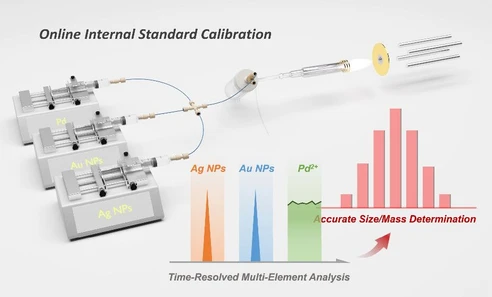
A Simple Online Internal Standard Calibration Strategy for Single-Particle Inductively Coupled Plasma Mass Spectrometry Based on Multielement Analysis
Scientific article | Science and research

A Simple Online Internal Standard Calibration Strategy for Single-Particle Inductively Coupled Plasma Mass Spectrometry Based on Multielement Analysis

This study introduces an online multielement internal standard calibration method for SP-ICP-MS, enabling accurate nanoparticle sizing in complex environmental and biological matrices.
LabRulez
tag
share
more
Mastering Qtegra Software: Practical Strategies to Improve Your Daily Lab Workflow
Article | Product

Mastering Qtegra Software: Practical Strategies to Improve Your Daily Lab Workflow

Practical tips to optimize Qtegra software workflows for ICP-OES and ICP-MS users. Learn how Dashboard, Get Ready, and smart LabBook design improve efficiency and data confidence.
Thermo Fisher Scientific
tag
share
more
Quantitative Assessment of Chemical Modifications of Macromolecules through Counterion Measurement
Scientific article | Science and research

Quantitative Assessment of Chemical Modifications of Macromolecules through Counterion Measurement

A counterion-based strategy using TGA and ICP-OES quantifies modification levels in hyaluronic acid derivatives with accuracy comparable to NMR and UV–Vis.
LabRulez
tag
share
more
 

Related content

Detection of Phenol Leakage into Wastewater Using TOC Measurement

Applications
| 2026 | Shimadzu
Instrumentation
TOC
Manufacturer
Shimadzu
Industries
Environmental

Routine Analysis of Rare Earth Elements in Basalt using ICP-MS

Applications
| 2026 | Agilent Technologies
Instrumentation
ICP/MS
Manufacturer
Agilent Technologies
Industries
Materials Testing

Analysis of rare earth elements in clay using XRF and XRD

Applications
| 2026 | Thermo Fisher Scientific
Instrumentation
XRD
Manufacturer
Thermo Fisher Scientific
Industries
Materials Testing

Measurement of TOC in Chloroisocyanuric Acid Used as Disinfectant

Applications
| 2026 | Shimadzu
Instrumentation
TOC
Manufacturer
Shimadzu
Industries
Pharma & Biopharma

High Precision Analysis of Major Components in Precious Metals by ICP-OES

Applications
| 2025 | Agilent Technologies
Instrumentation
ICP-OES
Manufacturer
Agilent Technologies
Industries
Materials Testing
 

Related articles

News from LabRulezICPMS Library - Week 34, 2025
Article | Application

News from LabRulezICPMS Library - Week 34, 2025

This week we bring you application notes by Agilent Technologies, Metrohm and Shimadzu and poster by Thermo Fisher Scientific!
LabRulez
tag
share
more
A Simple Online Internal Standard Calibration Strategy for Single-Particle Inductively Coupled Plasma Mass Spectrometry Based on Multielement Analysis
Scientific article | Science and research

A Simple Online Internal Standard Calibration Strategy for Single-Particle Inductively Coupled Plasma Mass Spectrometry Based on Multielement Analysis

This study introduces an online multielement internal standard calibration method for SP-ICP-MS, enabling accurate nanoparticle sizing in complex environmental and biological matrices.
LabRulez
tag
share
more
Mastering Qtegra Software: Practical Strategies to Improve Your Daily Lab Workflow
Article | Product

Mastering Qtegra Software: Practical Strategies to Improve Your Daily Lab Workflow

Practical tips to optimize Qtegra software workflows for ICP-OES and ICP-MS users. Learn how Dashboard, Get Ready, and smart LabBook design improve efficiency and data confidence.
Thermo Fisher Scientific
tag
share
more
Quantitative Assessment of Chemical Modifications of Macromolecules through Counterion Measurement
Scientific article | Science and research

Quantitative Assessment of Chemical Modifications of Macromolecules through Counterion Measurement

A counterion-based strategy using TGA and ICP-OES quantifies modification levels in hyaluronic acid derivatives with accuracy comparable to NMR and UV–Vis.
LabRulez
tag
share
more
 

Related content

Detection of Phenol Leakage into Wastewater Using TOC Measurement

Applications
| 2026 | Shimadzu
Instrumentation
TOC
Manufacturer
Shimadzu
Industries
Environmental

Routine Analysis of Rare Earth Elements in Basalt using ICP-MS

Applications
| 2026 | Agilent Technologies
Instrumentation
ICP/MS
Manufacturer
Agilent Technologies
Industries
Materials Testing

Analysis of rare earth elements in clay using XRF and XRD

Applications
| 2026 | Thermo Fisher Scientific
Instrumentation
XRD
Manufacturer
Thermo Fisher Scientific
Industries
Materials Testing

Measurement of TOC in Chloroisocyanuric Acid Used as Disinfectant

Applications
| 2026 | Shimadzu
Instrumentation
TOC
Manufacturer
Shimadzu
Industries
Pharma & Biopharma

High Precision Analysis of Major Components in Precious Metals by ICP-OES

Applications
| 2025 | Agilent Technologies
Instrumentation
ICP-OES
Manufacturer
Agilent Technologies
Industries
Materials Testing
 

Related articles

News from LabRulezICPMS Library - Week 34, 2025
Article | Application

News from LabRulezICPMS Library - Week 34, 2025

This week we bring you application notes by Agilent Technologies, Metrohm and Shimadzu and poster by Thermo Fisher Scientific!
LabRulez
tag
share
more
A Simple Online Internal Standard Calibration Strategy for Single-Particle Inductively Coupled Plasma Mass Spectrometry Based on Multielement Analysis
Scientific article | Science and research

A Simple Online Internal Standard Calibration Strategy for Single-Particle Inductively Coupled Plasma Mass Spectrometry Based on Multielement Analysis

This study introduces an online multielement internal standard calibration method for SP-ICP-MS, enabling accurate nanoparticle sizing in complex environmental and biological matrices.
LabRulez
tag
share
more
Mastering Qtegra Software: Practical Strategies to Improve Your Daily Lab Workflow
Article | Product

Mastering Qtegra Software: Practical Strategies to Improve Your Daily Lab Workflow

Practical tips to optimize Qtegra software workflows for ICP-OES and ICP-MS users. Learn how Dashboard, Get Ready, and smart LabBook design improve efficiency and data confidence.
Thermo Fisher Scientific
tag
share
more
Quantitative Assessment of Chemical Modifications of Macromolecules through Counterion Measurement
Scientific article | Science and research

Quantitative Assessment of Chemical Modifications of Macromolecules through Counterion Measurement

A counterion-based strategy using TGA and ICP-OES quantifies modification levels in hyaluronic acid derivatives with accuracy comparable to NMR and UV–Vis.
LabRulez
tag
share
more
 

Related content

Detection of Phenol Leakage into Wastewater Using TOC Measurement

Applications
| 2026 | Shimadzu
Instrumentation
TOC
Manufacturer
Shimadzu
Industries
Environmental

Routine Analysis of Rare Earth Elements in Basalt using ICP-MS

Applications
| 2026 | Agilent Technologies
Instrumentation
ICP/MS
Manufacturer
Agilent Technologies
Industries
Materials Testing

Analysis of rare earth elements in clay using XRF and XRD

Applications
| 2026 | Thermo Fisher Scientific
Instrumentation
XRD
Manufacturer
Thermo Fisher Scientific
Industries
Materials Testing

Measurement of TOC in Chloroisocyanuric Acid Used as Disinfectant

Applications
| 2026 | Shimadzu
Instrumentation
TOC
Manufacturer
Shimadzu
Industries
Pharma & Biopharma

High Precision Analysis of Major Components in Precious Metals by ICP-OES

Applications
| 2025 | Agilent Technologies
Instrumentation
ICP-OES
Manufacturer
Agilent Technologies
Industries
Materials Testing
 

Related articles

News from LabRulezICPMS Library - Week 34, 2025
Article | Application

News from LabRulezICPMS Library - Week 34, 2025

This week we bring you application notes by Agilent Technologies, Metrohm and Shimadzu and poster by Thermo Fisher Scientific!
LabRulez
tag
share
more
A Simple Online Internal Standard Calibration Strategy for Single-Particle Inductively Coupled Plasma Mass Spectrometry Based on Multielement Analysis
Scientific article | Science and research

A Simple Online Internal Standard Calibration Strategy for Single-Particle Inductively Coupled Plasma Mass Spectrometry Based on Multielement Analysis

This study introduces an online multielement internal standard calibration method for SP-ICP-MS, enabling accurate nanoparticle sizing in complex environmental and biological matrices.
LabRulez
tag
share
more
Mastering Qtegra Software: Practical Strategies to Improve Your Daily Lab Workflow
Article | Product

Mastering Qtegra Software: Practical Strategies to Improve Your Daily Lab Workflow

Practical tips to optimize Qtegra software workflows for ICP-OES and ICP-MS users. Learn how Dashboard, Get Ready, and smart LabBook design improve efficiency and data confidence.
Thermo Fisher Scientific
tag
share
more
Quantitative Assessment of Chemical Modifications of Macromolecules through Counterion Measurement
Scientific article | Science and research

Quantitative Assessment of Chemical Modifications of Macromolecules through Counterion Measurement

A counterion-based strategy using TGA and ICP-OES quantifies modification levels in hyaluronic acid derivatives with accuracy comparable to NMR and UV–Vis.
LabRulez
tag
share
more
Other projects
GCMS
LCMS
Follow us
FacebookLinkedInYouTube
More information
WebinarsAbout usContact usTerms of use
LabRulez s.r.o. All rights reserved. Content available under a CC BY-SA 4.0 Attribution-ShareAlike