Author
ALS Czech Republic
ALS Czech Republic
For more than 40 years, ALS has provided testing and technical solutions to clients all over the world in a wide range of industries. We have built our global reputation by embracing the latest technologies and innovative methodologies to deliver high quality testing services to clients. ALS is able to leverage a multifaceted international team while remaining agile enough to provide local expertise and personalized solutions to every one of our clients.
Tags
Article
Environment
LinkedIn Logo

EnviroMail™25: Monitoring of Aquatic Ecosystem

Th, 24.4.2025
| Original article from: ALS Czech Republic
ALS Analyses - We perform ecological analyses on waterways impacted by disturbances caused by anthropogenic activities.
<p><strong>ALS Czech Republic: </strong>EnviroMail™25: Monitoring of Aquatic Ecosystem</p>

ALS Czech Republic: EnviroMail™25: Monitoring of Aquatic Ecosystem

The Aquaculture Stewardship Council (ASC) is an independent, nonprofit organization that sets global standards to ensure responsible and sustainable aquaculture that respects aquatic ecosystems. ASC standards focus on minimizing environmental impacts, including those on benthic, bottomsthrough the use of abiotic indicators (such as free sulfides and redox potential) and biotic indicators (such as benthic species diversity and abundance of faunal communities).

EBI Index

The Extended Biotic Index (EBI) is a widely used scientific method for assessing the biological quality of water bodies through the study of benthic macroinvertebrate communities. This index is based on the presence, abundance, and sensitivity of specific organisms (such as aquatic insects, mollusks, crustaceans, and annelids) to changes in environmental conditions.

EBI is particularly effective in:
  • Identifying ecological alterations caused by organic and chemical pollution.
  • Assessing benthic biodiversity and ecosystem resilience.
  • Determining the degree of anthropogenic impact on aquatic habitats.

The EBI is distinguished by its ability to provide direct data on the ecological status of waterways by integrating information from chemical and physical indicators.

The ASC standards require the assessment of aquaculture impacts using a combination of abiotic and biotic metrics. However, these indicators alone are insufficient to fully capture the complexities of ecological dynamics.

EBI plays a key role as a tool for:
  • Validating and supporting the data collected through the chemical and physical parameters required by ASC standards.
  • Providing a clear view of biological status, identifying key species and indicators of degradation. 
  • Improving the accuracy of ecological status assessments by providing a more detailed understanding of environmental conditions.

ASC does not prescribe specific methodologies for assessing environmental impacts but offers flexibility in adopting scientifically validated tools.

The EBI, with its approach based on macrobenthic community composition, can complement the monitoring programs required by ASC standards, particularly in contexts where benthic impacts are difficult to detect using chemical and physical metrics alone.

In conclusion, the ASC, as an independent nonprofit organization, provides the global regulatory framework and threshold values for relevant certification, utilizing the IBE as a practical and scientific tool to accurately monitor ecosystem health, thereby ensuring the sustainable management of aquaculture activities.

In General

Ecological status is evaluated primarily based on the composition and abundance of the following elements:

  • Biological quality elements (BQE)
  • Trophic status (LIMeco for rivers and LTLeco for lakes)
  • Hydromorphological conditions that characterize the aquatic ecosystem.
  • Contributing to the definition of "ecological status" are:
  • Biological elements
  • Hydromorphological elements supporting biological conditions 
  • Chemical and physicochemical elements supporting biological conditions
  • Specific pollutants

In defining ecological status, the assessment of biological elements is therefore predominant, while the other types of elements are considered to provide a broader and clearer understanding of the status of biological communities within the aquatic ecosystem under consideration.

ALS Analyses

We perform ecological analyses on waterways impacted by disturbances caused by anthropogenic activities (e.g., discharges from aquaculture facilities, sewage treatment plants, paper mills, and hydroelectric power plants). These analyses focus on ecological quality elements, including benthic macroinvertebrates, macrophytes, and diatoms.

Macroinvertebrates

The classification system applied is called MacrOper, which is based on the calculation of the STAR Multimetric Intercalibration Index (STAR_ICMi) and the proportional multihabitat sampling procedure.

The STAR_ICMi is a multi-metric index based on a set of indicators (sub-indices) that provide information on tolerance, abundance/habitat, and richness/diversity regarding the community. Index calculations should be conducted on a type-specific basis.

Benthic Diatoms

The ICMi ("Multimetric Intercalibration Index") is applied, which assesses species and their sensitivity to pollutants.

The ICMi is composed of two indices:

  • "Pollutant Sensitivity Index" (IPS)
  • "Trophic Index" (TI)

The result is translated into a scale of five quality classes, ranging from bad to high status.

Macrophytes

The IBMR ("Index Biologique Macrophyitique en Rivière") is applied. This index is designed to assess trophic status (understood in terms of primary production intensity) and is based on the use of a list of indicator taxa, each associated with an indicator value reflecting sensitivity to high levels of trophic conditions.

Accredited Analyses

  • Microscopic analysis and macroinvertebrate taxonomic determination: IBE Method: APAT CNR IRSA 9010 Manual 29 2003.
  • Microscopic analysis and taxonomic identification of macroinvertebrates: STAR Multimetric Intercalibration Index (STAR_ICMi), ISPRA Manuals and Guidelines 107/2014 and ISPRA Manuals and Guidelines 111/2014.
  • Microscopic analysis and taxonomic determination of diatoms - ICMi ISTISAN Reports 09/19 and ISPRA Manuals and Guidelines 111/2014.
  • Level Pollution Macrodescriptors (LIMeco) ISO 15923-1 2013; UNI 11757:2019; UNI EN ISO 5814:2013; and DM 08/11/2010 SO n 31 OJ n 30 07/02/2011.

Other and Non-Accredited Analyses

  • Microscopic analysis and taxonomic determination Macrophytes - IBMR NF T 90- 395 (AFNOR 2003) and ISPRA, Manuals and Guidelines 111/2014.
ALS Czech Republic
LinkedIn Logo
 

Related content

Analysis of copper alloys with the ARL X900 XRF Spectrometer

Applications
| 2026 | Thermo Fisher Scientific
Instrumentation
X-ray
Manufacturer
Thermo Fisher Scientific
Industries
Materials Testing

Measurement of Fixed Carbon, Volatile Matter, and Ash of Biocoke

Applications
| 2026 | Shimadzu
Instrumentation
Thermal Analysis
Manufacturer
Shimadzu
Industries
Energy & Chemicals

Detection of Phenol Leakage into Wastewater Using TOC Measurement

Applications
| 2026 | Shimadzu
Instrumentation
TOC
Manufacturer
Shimadzu
Industries
Environmental

Routine Analysis of Rare Earth Elements in Basalt using ICP-MS

Applications
| 2026 | Agilent Technologies
Instrumentation
ICP/MS
Manufacturer
Agilent Technologies
Industries
Materials Testing

Analysis of rare earth elements in clay using XRF and XRD

Applications
| 2026 | Thermo Fisher Scientific
Instrumentation
XRD
Manufacturer
Thermo Fisher Scientific
Industries
Materials Testing
 

Related articles

The Forever Problem: Part 4 - We Have A Responsibility
Article | Video

The Forever Problem: Part 4 - We Have A Responsibility

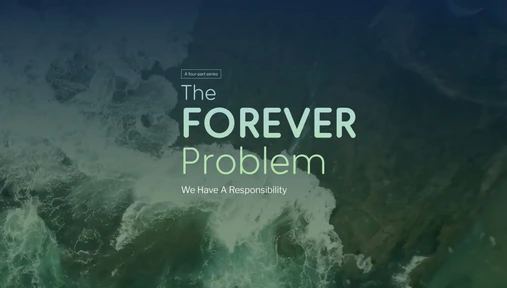
Professor Daniele Miranda tracks the flow of per- and polyfluoroalkyl substances (PFAS), also known as forever chemicals, through waterways to study the effects they have on local communities.
University of Notre Dame
tag
share
more
News from LabRulezICPMS Library - Week 13, 2026
Article | Application

News from LabRulezICPMS Library - Week 13, 2026

This week we bring you application notes by LECO, Shimadzu and Waters Corporation and brochure by Thermo Fisher Scientific!
LabRulez
tag
share
more
Investigating Plastic–Metal Interactions in Aquatic Environments Using Laser Ablation ICP–MS and Chemical Markers
Scientific article | Science and research

Investigating Plastic–Metal Interactions in Aquatic Environments Using Laser Ablation ICP–MS and Chemical Markers

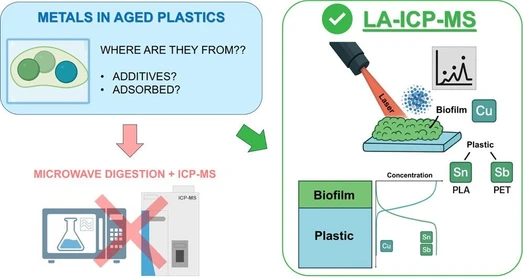
This study uses LA-ICP-MS to track metal–plastic interactions, showing biofilm-driven copper accumulation on aged plastics in aquatic systems.
LabRulez
tag
share
more
Integrated laser ablation and computed tomography: detecting the chemical footprint of microplastics and reconstructing 3D biological tissues
Scientific article | Science and research

Integrated laser ablation and computed tomography: detecting the chemical footprint of microplastics and reconstructing 3D biological tissues

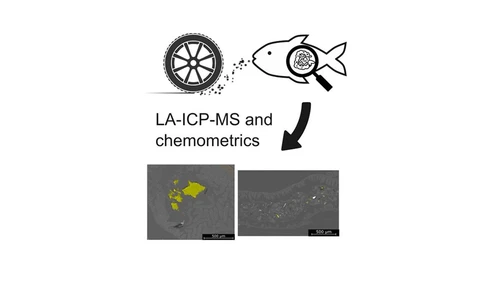
This study integrates μCT and LA-ICP-MS to detect and reconstruct microplastics in tissues, combining structural imaging with chemical mapping.
LabRulez
tag
share
more
 

Related content

Analysis of copper alloys with the ARL X900 XRF Spectrometer

Applications
| 2026 | Thermo Fisher Scientific
Instrumentation
X-ray
Manufacturer
Thermo Fisher Scientific
Industries
Materials Testing

Measurement of Fixed Carbon, Volatile Matter, and Ash of Biocoke

Applications
| 2026 | Shimadzu
Instrumentation
Thermal Analysis
Manufacturer
Shimadzu
Industries
Energy & Chemicals

Detection of Phenol Leakage into Wastewater Using TOC Measurement

Applications
| 2026 | Shimadzu
Instrumentation
TOC
Manufacturer
Shimadzu
Industries
Environmental

Routine Analysis of Rare Earth Elements in Basalt using ICP-MS

Applications
| 2026 | Agilent Technologies
Instrumentation
ICP/MS
Manufacturer
Agilent Technologies
Industries
Materials Testing

Analysis of rare earth elements in clay using XRF and XRD

Applications
| 2026 | Thermo Fisher Scientific
Instrumentation
XRD
Manufacturer
Thermo Fisher Scientific
Industries
Materials Testing
 

Related articles

The Forever Problem: Part 4 - We Have A Responsibility
Article | Video

The Forever Problem: Part 4 - We Have A Responsibility

Professor Daniele Miranda tracks the flow of per- and polyfluoroalkyl substances (PFAS), also known as forever chemicals, through waterways to study the effects they have on local communities.
University of Notre Dame
tag
share
more
News from LabRulezICPMS Library - Week 13, 2026
Article | Application

News from LabRulezICPMS Library - Week 13, 2026

This week we bring you application notes by LECO, Shimadzu and Waters Corporation and brochure by Thermo Fisher Scientific!
LabRulez
tag
share
more
Investigating Plastic–Metal Interactions in Aquatic Environments Using Laser Ablation ICP–MS and Chemical Markers
Scientific article | Science and research

Investigating Plastic–Metal Interactions in Aquatic Environments Using Laser Ablation ICP–MS and Chemical Markers

This study uses LA-ICP-MS to track metal–plastic interactions, showing biofilm-driven copper accumulation on aged plastics in aquatic systems.
LabRulez
tag
share
more
Integrated laser ablation and computed tomography: detecting the chemical footprint of microplastics and reconstructing 3D biological tissues
Scientific article | Science and research

Integrated laser ablation and computed tomography: detecting the chemical footprint of microplastics and reconstructing 3D biological tissues

This study integrates μCT and LA-ICP-MS to detect and reconstruct microplastics in tissues, combining structural imaging with chemical mapping.
LabRulez
tag
share
more
 

Related content

Analysis of copper alloys with the ARL X900 XRF Spectrometer

Applications
| 2026 | Thermo Fisher Scientific
Instrumentation
X-ray
Manufacturer
Thermo Fisher Scientific
Industries
Materials Testing

Measurement of Fixed Carbon, Volatile Matter, and Ash of Biocoke

Applications
| 2026 | Shimadzu
Instrumentation
Thermal Analysis
Manufacturer
Shimadzu
Industries
Energy & Chemicals

Detection of Phenol Leakage into Wastewater Using TOC Measurement

Applications
| 2026 | Shimadzu
Instrumentation
TOC
Manufacturer
Shimadzu
Industries
Environmental

Routine Analysis of Rare Earth Elements in Basalt using ICP-MS

Applications
| 2026 | Agilent Technologies
Instrumentation
ICP/MS
Manufacturer
Agilent Technologies
Industries
Materials Testing

Analysis of rare earth elements in clay using XRF and XRD

Applications
| 2026 | Thermo Fisher Scientific
Instrumentation
XRD
Manufacturer
Thermo Fisher Scientific
Industries
Materials Testing
 

Related articles

The Forever Problem: Part 4 - We Have A Responsibility
Article | Video

The Forever Problem: Part 4 - We Have A Responsibility

Professor Daniele Miranda tracks the flow of per- and polyfluoroalkyl substances (PFAS), also known as forever chemicals, through waterways to study the effects they have on local communities.
University of Notre Dame
tag
share
more
News from LabRulezICPMS Library - Week 13, 2026
Article | Application

News from LabRulezICPMS Library - Week 13, 2026

This week we bring you application notes by LECO, Shimadzu and Waters Corporation and brochure by Thermo Fisher Scientific!
LabRulez
tag
share
more
Investigating Plastic–Metal Interactions in Aquatic Environments Using Laser Ablation ICP–MS and Chemical Markers
Scientific article | Science and research

Investigating Plastic–Metal Interactions in Aquatic Environments Using Laser Ablation ICP–MS and Chemical Markers

This study uses LA-ICP-MS to track metal–plastic interactions, showing biofilm-driven copper accumulation on aged plastics in aquatic systems.
LabRulez
tag
share
more
Integrated laser ablation and computed tomography: detecting the chemical footprint of microplastics and reconstructing 3D biological tissues
Scientific article | Science and research

Integrated laser ablation and computed tomography: detecting the chemical footprint of microplastics and reconstructing 3D biological tissues

This study integrates μCT and LA-ICP-MS to detect and reconstruct microplastics in tissues, combining structural imaging with chemical mapping.
LabRulez
tag
share
more
 

Related content

Analysis of copper alloys with the ARL X900 XRF Spectrometer

Applications
| 2026 | Thermo Fisher Scientific
Instrumentation
X-ray
Manufacturer
Thermo Fisher Scientific
Industries
Materials Testing

Measurement of Fixed Carbon, Volatile Matter, and Ash of Biocoke

Applications
| 2026 | Shimadzu
Instrumentation
Thermal Analysis
Manufacturer
Shimadzu
Industries
Energy & Chemicals

Detection of Phenol Leakage into Wastewater Using TOC Measurement

Applications
| 2026 | Shimadzu
Instrumentation
TOC
Manufacturer
Shimadzu
Industries
Environmental

Routine Analysis of Rare Earth Elements in Basalt using ICP-MS

Applications
| 2026 | Agilent Technologies
Instrumentation
ICP/MS
Manufacturer
Agilent Technologies
Industries
Materials Testing

Analysis of rare earth elements in clay using XRF and XRD

Applications
| 2026 | Thermo Fisher Scientific
Instrumentation
XRD
Manufacturer
Thermo Fisher Scientific
Industries
Materials Testing
 

Related articles

The Forever Problem: Part 4 - We Have A Responsibility
Article | Video

The Forever Problem: Part 4 - We Have A Responsibility

Professor Daniele Miranda tracks the flow of per- and polyfluoroalkyl substances (PFAS), also known as forever chemicals, through waterways to study the effects they have on local communities.
University of Notre Dame
tag
share
more
News from LabRulezICPMS Library - Week 13, 2026
Article | Application

News from LabRulezICPMS Library - Week 13, 2026

This week we bring you application notes by LECO, Shimadzu and Waters Corporation and brochure by Thermo Fisher Scientific!
LabRulez
tag
share
more
Investigating Plastic–Metal Interactions in Aquatic Environments Using Laser Ablation ICP–MS and Chemical Markers
Scientific article | Science and research

Investigating Plastic–Metal Interactions in Aquatic Environments Using Laser Ablation ICP–MS and Chemical Markers

This study uses LA-ICP-MS to track metal–plastic interactions, showing biofilm-driven copper accumulation on aged plastics in aquatic systems.
LabRulez
tag
share
more
Integrated laser ablation and computed tomography: detecting the chemical footprint of microplastics and reconstructing 3D biological tissues
Scientific article | Science and research

Integrated laser ablation and computed tomography: detecting the chemical footprint of microplastics and reconstructing 3D biological tissues

This study integrates μCT and LA-ICP-MS to detect and reconstruct microplastics in tissues, combining structural imaging with chemical mapping.
LabRulez
tag
share
more
Other projects
GCMS
LCMS
Follow us
FacebookLinkedInYouTube
More information
WebinarsAbout usContact usTerms of use
LabRulez s.r.o. All rights reserved. Content available under a CC BY-SA 4.0 Attribution-ShareAlike