

Measuring what matters: water quality analysis with UV-Visible spectrophotometry
Water quality is critical across many applications, including drinking water, beverage manufacturing, and wastewater. In food and beverage environments, contaminants can affect organoleptic properties, such as taste and appearance, as well as the overall safety of the water.
A wide range of analytes can impact water quality, including nitrate content, and multiple methods available to assess the concentration of these components. UV-Visible spectrophotometry is one such technique, enabling the quantification of many analytes that influence water quality. As Beer’s law indicates, measured absorbance in the UV-Visible range is directly proportional to concentration, making the technique particularly useful when assessing analyte concentration.
In many analyses, colorimetric reagents as required to produce a measurable absorbance in this spectral range. A standard curve is then typically developed using known standards to correlate the measured absorbance with the concentration of the analyte.
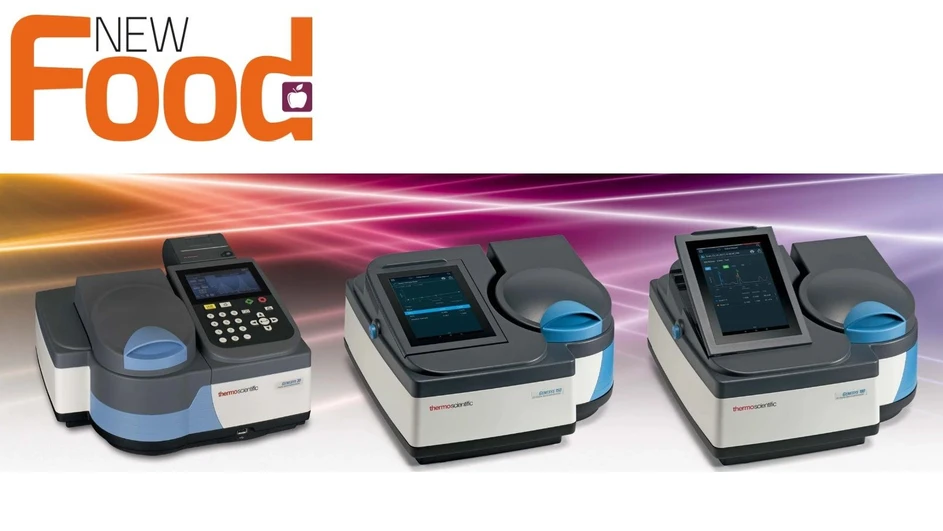
In this webinar, attendees will discover how instruments such as Thermo Scientific GENESYS G5 UV-Visible spectrophotometers can support the assessment of water samples from a variety of sources.
You’ll learn:
- Explore different environments where water analysis can be important.
- Learn how UV-Visible spectrophotometry can be used to determine the concentration of various analytes commonly assessed in water applications.
- Understand best practices for using pre-built standard curves and creating new curves when determining analyte content in water sources.
Presenter: Jennifer Empey-Kohl (Applications Scientist, Thermo Fisher Scientific)
Jennifer Empey-Kohl has been with Thermo Fisher Scientific as an Applications Scientist for 5 years where she supports the cuvette-based UV-Visible instruments. Prior to this position, she received her PhD in Chemistry from The Ohio State University where she used various spectroscopic techniques to study colloidal nanoparticles.


